

Madhyamaheshwar Trek
Recommended tour package
Madhyamaheshwar Trek
Madhyamaheshwar Trek – A Journey into Sacred Heights
The Madhyamaheshwar Trek is a soulful blend of Himalayan adventure and spiritual discovery. Located in the Garhwal region of Uttarakhand, the trail takes you to the revered Madhyamaheshwar Temple, one of the Panch Kedars.
Perched at an altitude of 3,497 meters, the temple stands as a symbol of devotion and peace. Starting from Ransi village, the trek spans around 14 kilometers, offering a balanced mix of nature, mythology, and quiet reflection.
Why This Trek is Special
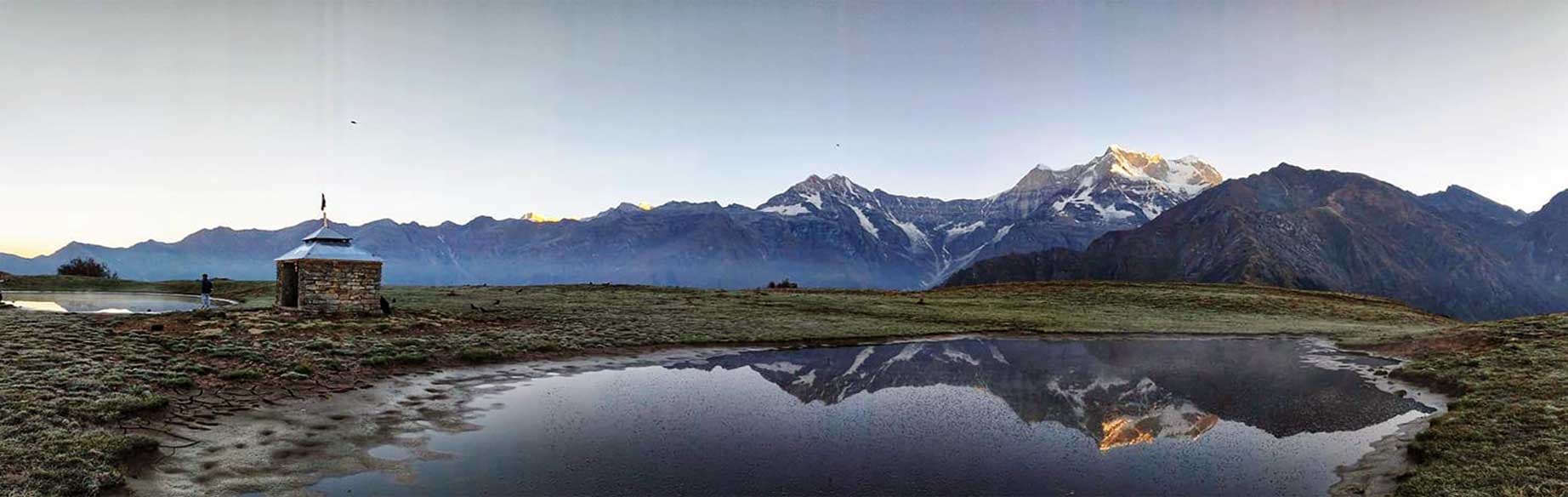
This trek is ideal for those who wish to walk a sacred path without the chaos of crowds. The journey offers moments of stillness in dense forests, the sound of flowing streams, and the awe-inspiring sight of Chaukhamba Peak rising behind the temple. It’s a route not just for trekkers, but for anyone looking to…
The Legend of Panch Kedar
The origins of Madhyamaheshwar are rooted in the epic of Mahabharata. After the war, the Pandavas sought forgiveness from Lord Shiva for killing their kin. But Shiva, unwilling to meet them, disguised himself as a bull (Nandi) and disappeared into the Himalayan ranges.
When Bhima, one of the Pandavas, tried to catch the bull, it vanished into the earth and later reappeared in five different parts across the Garhwal region:
Hump at Kedarnath
Arms at Tungnath
Face at Rudranath
Navel (middle) at Madhyamaheshwar
Hair/head at Kalpeshwar
Temples were established at each site by the Pandavas, forming what we now call the Panch Kedars. These shrines are considered Swayambhu (self-manifested) and are believed to hold great spiritual power.
Extend Your Trek to Budha…
How to Reach Madhyamaheshwar
Madhyamaheshwar is a hidden spiritual gem tucked away in the Garhwal Himalayas of Uttarakhand. As one of the sacred Panch Kedar temples, it lies deep within the mountains—peaceful, raw, and rich in mythology. Here’s how to reach Madhyamaheshwar for a trek that blends nature, devotion, and quiet discovery.
Nearest Airport
The closest airport is Jolly Grant Airport in Dehradun, located around 235 km from Ransi village (the trek starting point). From Dehradun, travelers can hire a private taxi or take a bus toward Rudraprayag or Ukhimath, and then to Ransi.
Nearest Railway Stations
The most convenient railway stations are:
Rishikesh (approx. 210 km from Ransi)
Haridwar (approx. 230 km)
Both stations are well connected to major cities like Delhi. After arrival, you’ll need to continue your journey by road.
By Road to Ransi (Trek Starting Point)
To reach Ransi, the last motorable village before the trek begins, follow the route below:
Rishikesh → Rudraprayag → Agastyamuni → Ukhimath → Uniana → Ransi
Ransi is around 18 km from Ukhimath and can be accessed by local cabs or shared jeeps from Ukhimath.
Buses to Rudraprayag or Ukhimath are available from Rishikesh ISBT and Haridwar.
You can also find sharing cabs at Nepali Farm in Rishikesh around 3am to 4am to reach Ukhimath early in the morning.
Self-Drive or Cab Travel
Route (From Delhi – Recommended for Easy Access):
Delhi → Haridwar → Rishikesh → Rudraprayag → Ukhimath → Ransi
This is the most preferred and convenient route for travelers, offering good road conditions and regular food/fuel stops.
Approximate travel time from Delhi to Ransi: 11–13 hours
Best suited for: Families, spiritual seekers, and first-time mountain travelers
Trek Route:
Ransi to Agtoli Dhar 1Km Drive
Agtoli Dhar to Gondar Village 4.25 Km
Gondar to Bantoli 1 Km
Bantoli to Khaddara 2 Km
Khaddara to Nanu 1.75 Km
Nanu to Madh Maheshwar 5 Km
Optional: Madh Maheshwar to Budha Madhmaheshwar 2 Km
Best Time to Visit Madhyamaheshwar
The ideal time to visit is from May to mid-June and September to early November. These months offer clear skies, pleasant weather, and great views of Chaukhamba Peak. The temple remains closed in winter (from November to April) due to heavy snowfall.
Plan Your Madhyamaheshwar Trek with Places to Visit India
At Places to Visit India, we organize well-managed and affordable Madhyamaheshwar trekking experiences—complete with transport, food, stays, and guides.
Whether you're a solo trekker, a spiritual seeker, or a group of friends, we make sure your journey to this sacred Himalayan temple is safe, enriching, and unforgettable.
📞 Contact us at 9929107926 to check group departures or plan a custom trip.
Quick facts
Must Know things if You’re Planning Madhyamaheshwar Trek

Category

Best time

Days Required

Distance from Rishikesh
Distance from Delhi

Nearest Airport

Nearest Railway Station

PTVI Rating

Estimated Budget for Couple

Last Fuel Station

Highlights

Places to Cover on Madhyamaheshwar Trek Tour:
Madhyamaheshwar Temple
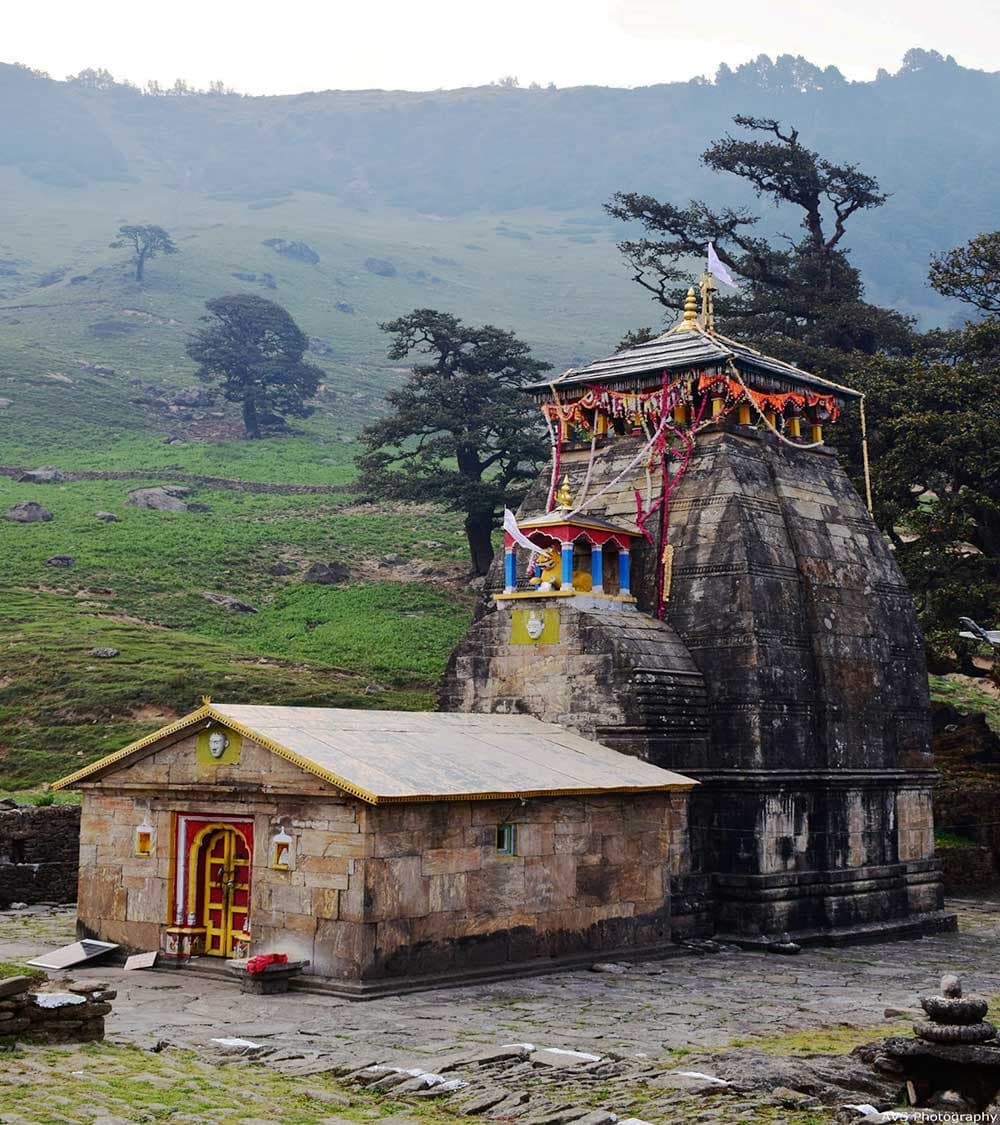
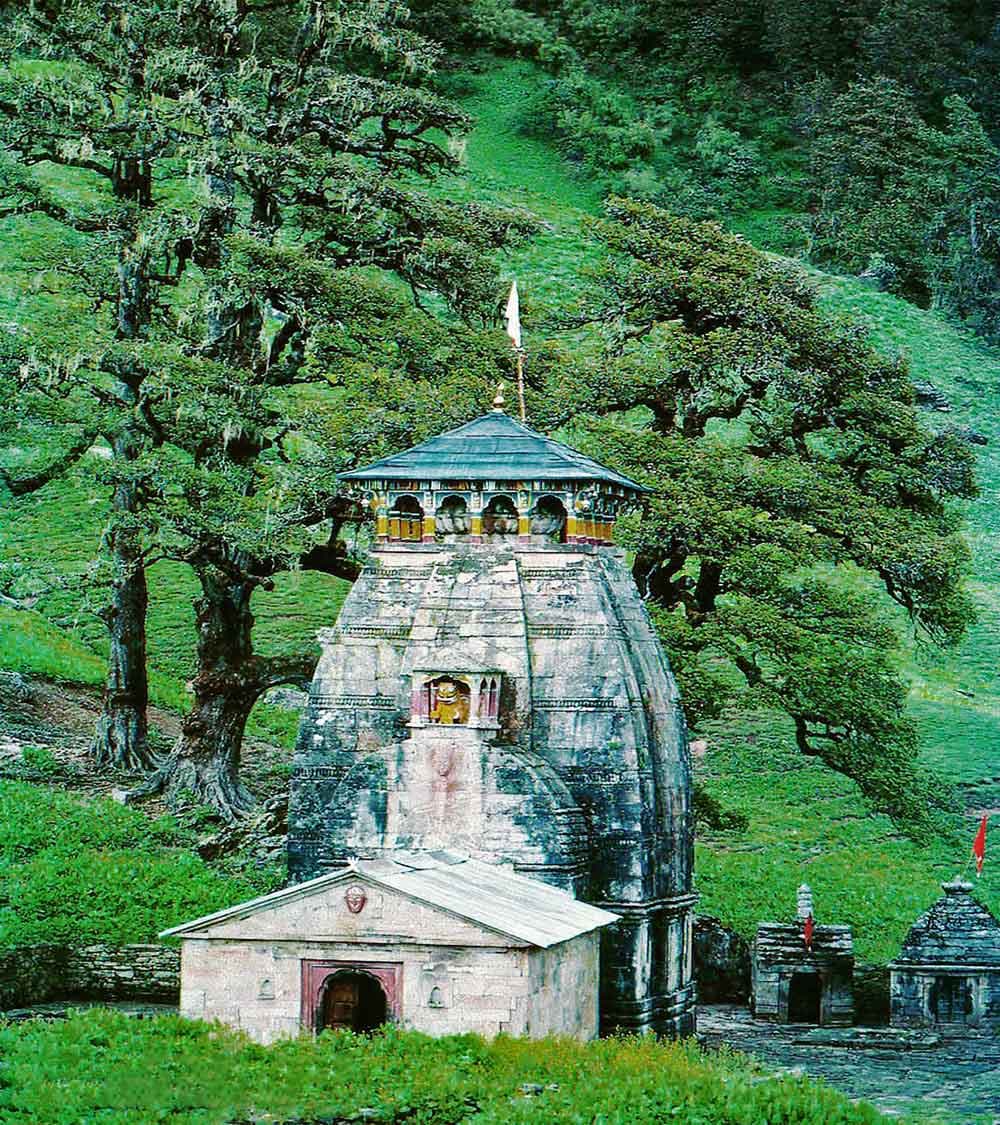
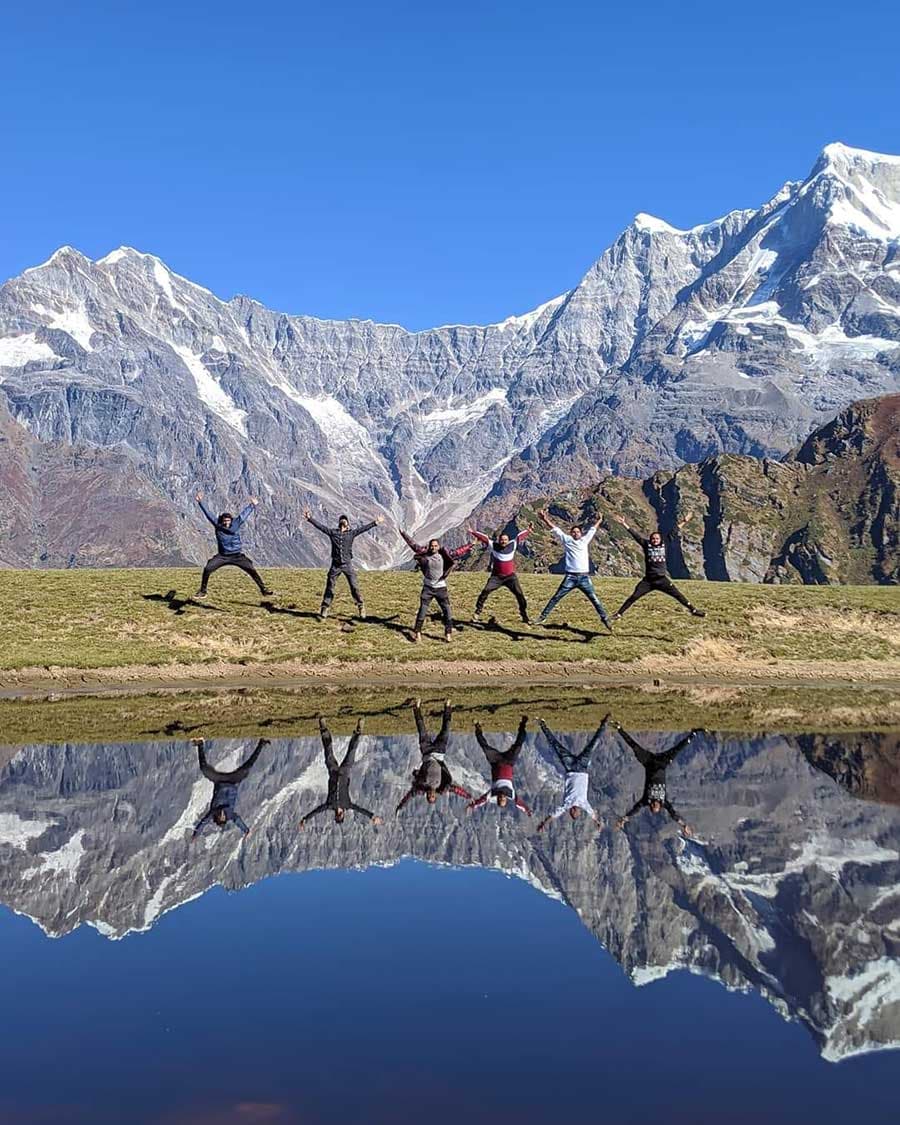
At the heart of the trek lies the sacred Madhyamaheshwar Temple, one of the revered Panch Kedars. This stone-built shrine sits peacefully at an altitude of 3,497 meters, surrounded by alpine meadows and the towering presence of Chaukhamba Peak.
It’s believed to be the site where the navel (madhya bhag) of Lord Shiva appeared. The calm, spiritual energy here makes it a deeply moving destination for pilgrims and trekkers alike.
Budha Madhyamaheshwar
Just 2 km uphill from the main temple, Budha Madhyamaheshwar is a must-visit for those who wish to go beyond the usual path. This serene hilltop was once the original worship site in ancient times.
Today, it rewards those who make the short climb with wide-open views of the Himalayan range, a peaceful temple, and even a glacial lake nearby. It’s especially recommended for sunrise seekers and nature lovers.
Maa Rakeshwari Temple, Ransi
Maa Rakeshwari Temple, Ransi is a centuries-old shrine nestled in the heart of Ransi village, showcasing the ancient Katyuri architectural style. Believed by locals to be a temple from Satyuga, it holds immense spiritual significance.
The temple is dedicated to Maa Rakeshwari, where both Shiva and Shakti are worshipped together, symbolizing divine balance. One of its most sacred features is the eternal fire, which burns continuously—much like the holy flame at Triyuginarayan.
The energy and vibrations of this place are said to be beyond imagination, offering a deeply peaceful and mystical experience to every visitor.
Omkareshwar Temple, Ukhimath
Located in the center of Ukhimath, Omkareshwar Temple is the winter seat of Lord Kedarnath and Madhyamaheshwar. When snow blocks the higher altitudes, the deities are brought here for worship. The temple is said to be over 1,000 years old, built during the Katyuri dynasty.
According to legend, this is also the place where Aniruddha, grandson of Lord Krishna, married Usha, daughter of demon king Banasura. Lord Shiva is worshipped here as Omkareshwar, and the temple plays a key role in the spiritual heritage of the region.
Kashi Vishwanath Temple, Guptkashi
About 14 km from Ukhimath, on the banks of the Mandakini River, lies the Kashi Vishwanath Temple of Guptkashi. It is considered a hidden twin of the famous Kashi Vishwanath Temple in Varanasi.
The name "Gupt" Kashi means "Hidden Kashi", as Lord Shiva is believed to have concealed himself here to avoid the Pandavas. A small but powerful Ardhanarishvara shrine, representing Shiva and Parvati as one, also lies within the temple complex. It’s a must-visit for those drawn to mythology and Shiva devotion.
Chopta–Tungnath
Just 18 km from Ukhimath, the route to Tungnath and Chandrashila is one of the most scenic detours on your journey. Tungnath, the highest Shiva temple in the world, is known for its swayambhu (self-manifested) shivaling and peaceful setting.
The short trek to Tungnath and further to Chandrashila summit offers breathtaking Himalayan views, especially of Nanda Devi and Kedarnath peaks. Spring brings rhododendron blooms, making it a paradise for photographers and birdwatchers.
Rudraprayag
Situated at the confluence of the Mandakini and Alaknanda rivers, Rudraprayag is a powerful, sacred point on the route to Ransi. The merging of two roaring rivers here gives the place its name—Rudra, meaning fierce. A small, serene Shiva temple rests at the sangam. It's a peaceful stop that deserves a moment of silence and reflection while passing through.
Dhari Devi Temple
Midway on the journey lies the divine Dhari Devi Temple, standing in the middle of the Alaknanda River. She is believed to be the protector of the hills and river confluences. Local belief says that Dhari Devi balances the energy of the Himalayas, and her blessings are considered essential before heading deeper into the mountains. It’s a brief but meaningful stop for any spiritually-inclined traveler.
Rishikesh
Your journey to Madhyamaheshwar begins at Rishikesh, the gateway to the Garhwal Himalayas. Known as the Yoga Capital of the World, Rishikesh is where sages still walk along the Ganga ghats, and evening Ganga Aarti lights up the sacred river.
From its bustling markets to peaceful ashrams, Rishikesh is the perfect place to begin your trekking and spiritual journey into the high Himalayas.
Things to Do on the Madhyamaheshwar Trek
Trekking & Spiritual Hiking
The trek to Madhyamaheshwar Temple isn’t just a walk—it’s a journey into myth, nature, and stillness. The 14 km trail from Ransi village takes you through dense forests, ancient hamlets, and river crossings. For those seeking more, a short climb to Budha Madhyamaheshwar offers panoramic views and peaceful solitude.
Photography & Nature Walks
The route is a treat for nature lovers. As you trek through villages like Gaundhar and Bantoli, you’ll encounter wildflowers, chirping birds, and Himalayan streams. Sunrise at Budha Madhyamaheshwar, with Chaukhamba peak glowing golden, is a dream shot for every photographer.
Village Life & Local Interaction
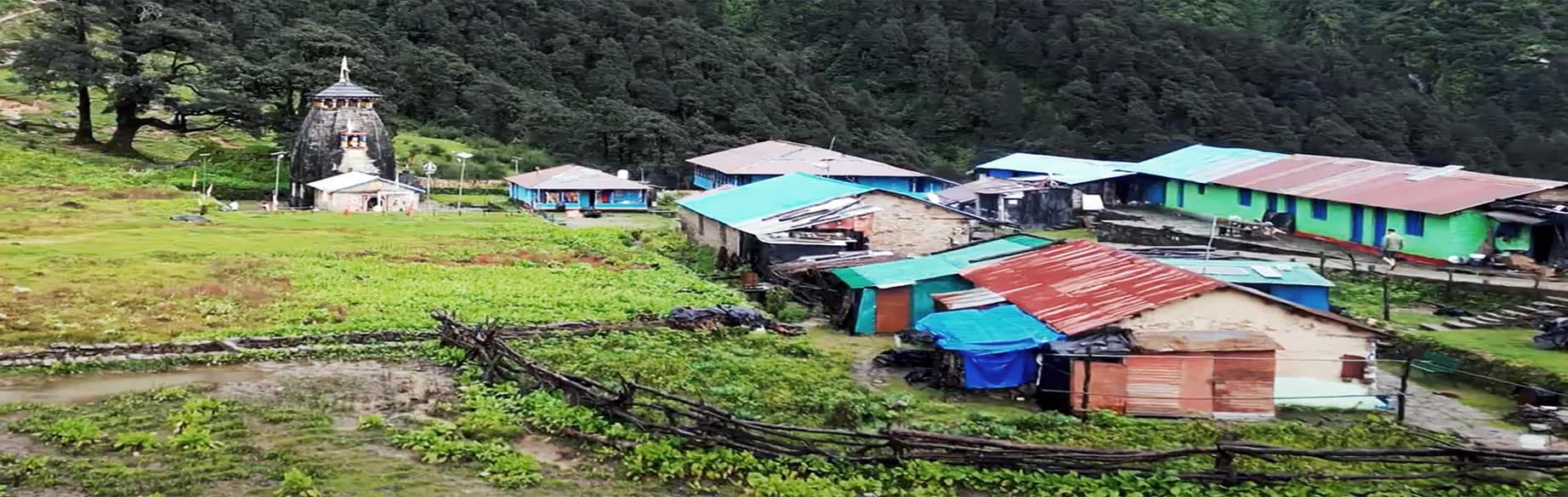
Staying in small villages like Ransi and Gaundhar lets you witness the slow, beautiful rhythm of Himalayan life. You’ll meet warm locals, sip chai with your homestay host, and hear old tales of Shiva and the mountains. It's an experience that stays with you.
Madhyamaheshwar Accommodation Guide – Where to Stay
The trek route doesn’t have hotels, but you’ll find basic and warm stays in the form of homestays, guesthouses, and temple dharamshalas.
Ransi: A few budget guesthouses and homes offering rooms and local meals
Gaundhar & Bantoli: Basic night stays for trekkers, often with shared rooms
Madhyamaheshwar Temple area: Guesthouses run by locals and the temple committee
Budha Madhyamaheshwar: No stay options, best done as a day hike
Note: Book stays in advance during peak pilgrimage season (May–June and September–October).
Food on the Trail – Simple, Local, Heartwarming
Meals during the Madhyamaheshwar trek are simple, fresh, and home-cooked. You won’t find fancy cafes, but what you get is warm food served with care.
Most stays offer dal, rice, roti, seasonal veggies, and sometimes maggi or eggs. At places like Bantoli, a hot chai and plate of poha or paratha feels like a feast after a long walk.
What to Try:
Local dal-chawal with desi ghee
Aloo sabzi and hot rotis fresh off the griddle
Homemade pickles and organic veggies
Mountain chai with a view at sunrise
Eating here is about nourishment and warmth, just what you need after a day on the trail.
Madhyamaheshwar Trek Brief Itinerary
Madhmaheshwar Itinerary – 4 Days
Day 1: Journey Begins (Rishikesh to Ransi)
Day 2: Trek to Madhyamaheshwar
Day 3: Trek to Budha Madhmaheshwar & Descend to Ransi
Day 4: Back to Rishikesh (200 Km)
Photo gallery
Photo Gallery of Madhyamaheshwar Trek
Tips to Consider When Planning a Trip to Madhyamaheshwar Trek
● Build Basic Fitness: While the trek is moderate, it covers 14 km one way with steady climbs. A few weeks of walking, stair climbing, or cardio can make your journey easier and more enjoyable.
● Take It Slow in Ransi: Spend a night at Ransi village before starting the trek. It helps your body adjust to the terrain and gives you a fresh start for the trail the next morning.
● Pack for the Mountains: Carry warm layers, a rain jacket, sturdy trekking shoes, and a headlamp. The weather can change quickly, so being prepared keeps you safe and comfortable.
● Travel Light, Walk Free: Leave heavy luggage in your vehicle or base homestay at Ransi. A light backpack makes the trek more enjoyable, especially on the return descent.
● Keep Essentials Handy: Your daypack should include a water bottle, basic first-aid kit, pain relief, rain cover, and some trail snacks. Hydration and small energy boosts go a long way on the trail.
● Don’t Skip Budha Madhyamaheshwar: If time and energy allow, make the extra 2 km hike to Budha Madhyamaheshwar. It’s peaceful, scenic, and often the highlight of the journey.
● Trek at Your Own Pace: This isn’t a race. Take breaks, enjoy the forests, listen to the rivers, and breathe in the mountain silence. The experience is more important than the speed.
● Respect the Sacred Path: Madhyamaheshwar is not just a trek—it’s a pilgrimage.
● Avoid littering: respect the locals and their culture, and follow Leave No Trace practices to keep the trail as beautiful for others as it was for you.
Explore more
More Treks in Uttarakhand
Trending
Top Trending Destinations in India
FAQ
Frequently asked questions
Need assistance?
Let our travel experts plan it for you.
Whether you're heading to the high Himalayas or scenic coastal escapes, our team builds seamlessly crafted journeys tailored around you.
We take care of the entire hassle—handpicked hotel stays, dependable taxi services, detailed daily itineraries, complete tour packages, and local insider secrets.
Drop your details below, and a travel specialist will get in touch with you shortly.
Office
3/33, Prabhati Marg, Chitrakoot, Jaipur 302021, India
Quick inquiry