

Sainj Valley
Experience Tranquility in the Hidden Gem of Himachal – Sainj Valley Travel Guide
Places to Visit India offers the most detailed Sainj Valley travel guide as the team of travel experts share here their years of experience.
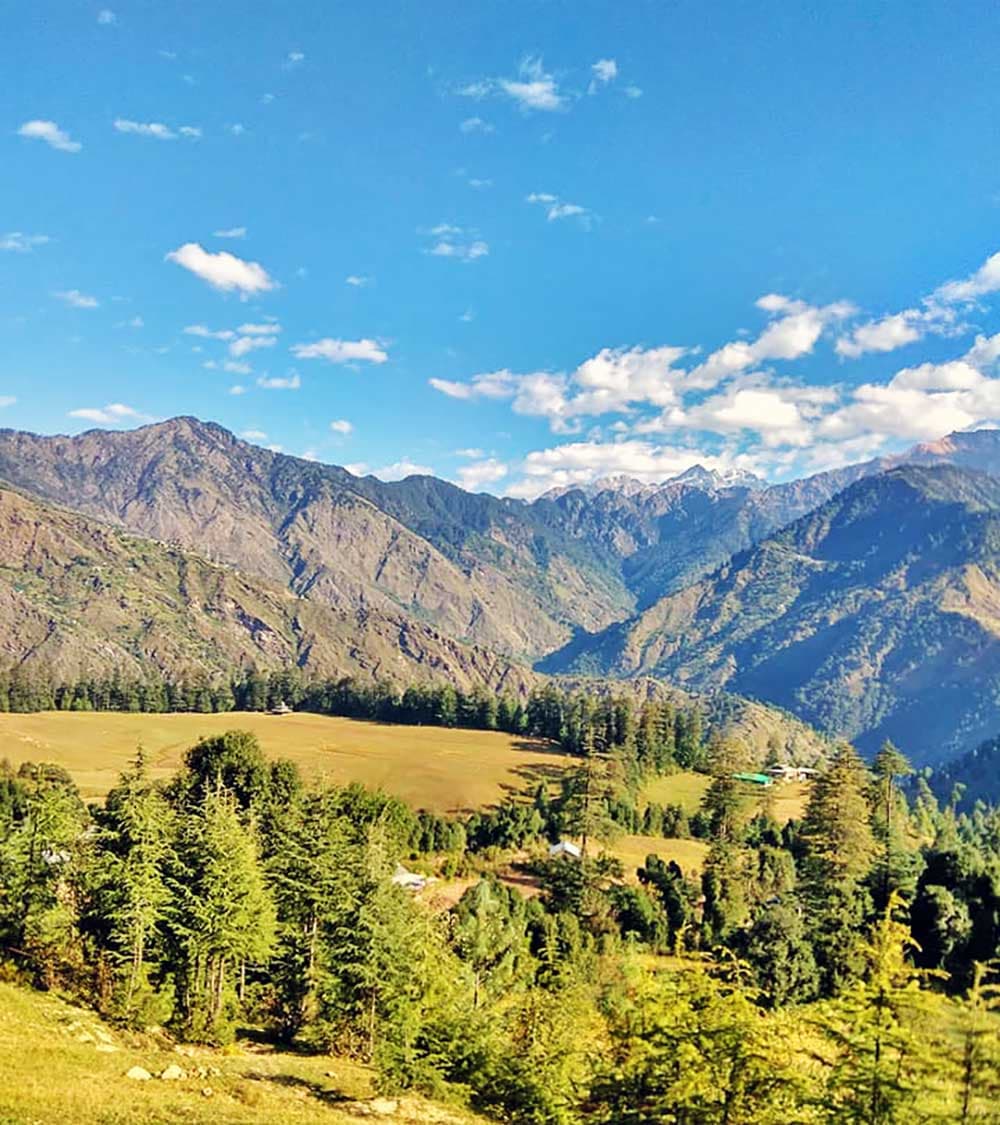
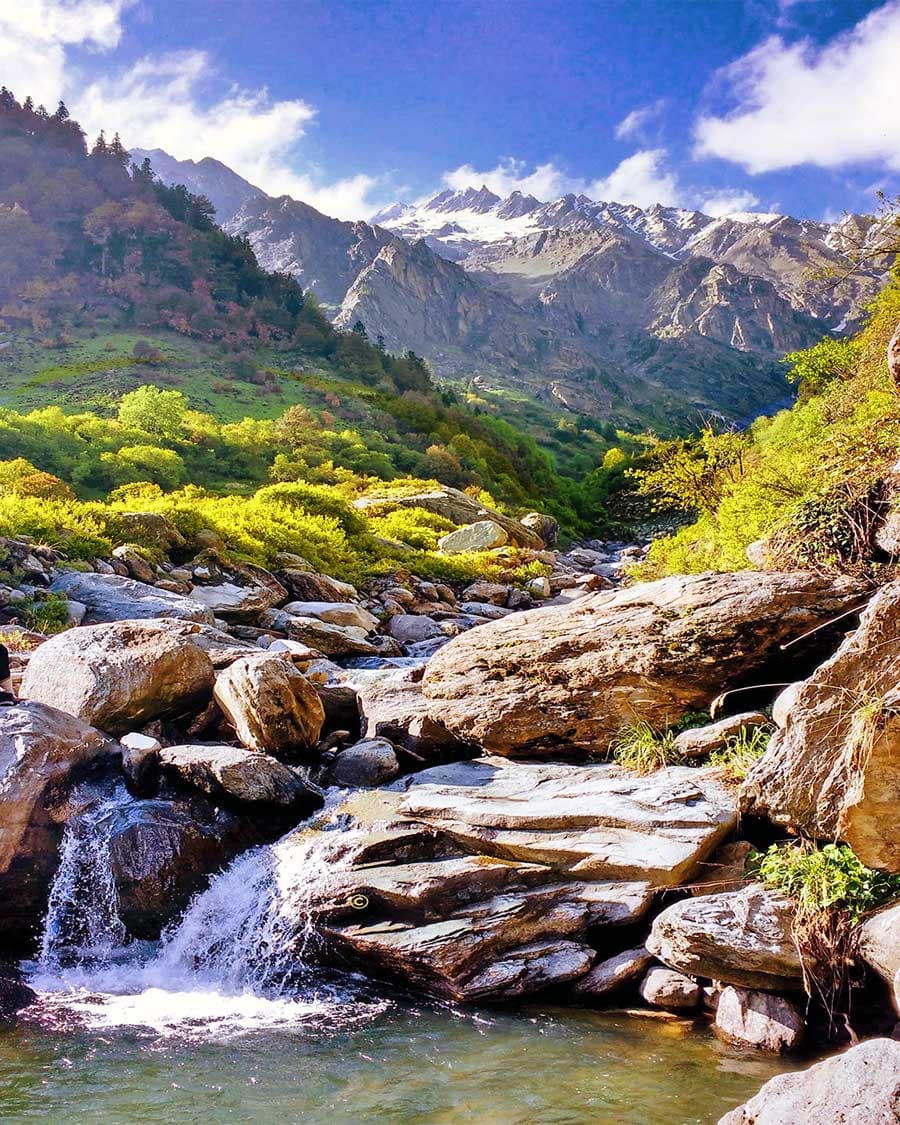
Sainj Valley, nestled in the Kullu district of Himachal Pradesh, is a serene, untouched Himalayan valley that offers the quietness of nature far away from tourist crowds.
Located at an altitude of around 1,200 to 3,200 meters, the Sainj Valley Himachal Pradesh is part of the Great Himalayan National Park (GHNP) – a UNESCO World Heritage Site. Villages like Deori, Shensher, and Raila are nestled on various elevations across the valley.
Home to Ancient Indigenous People in Himachal
Historically, the valley has been home to indigenous Himachali tribes and forest-based communities. It was traditionally isolated and maintained a deep…
Why is it called Sainj Valley?
The valley gets its name from the Sainj River, which cuts through the region. The Sainj River originates from the Great Himalayan National Park, specifically from glacial streams.
The Sainj river flows westward and merges into the Beas River near Larji. The word Sainj is believed to be derived from ancient Pahari linguistic roots, possibly referencing the river's gentle but persistent flow.
Sainj Valley: Offbeat, Yet Profound
Unlike popular destinations, Sainj is for the slow traveler—those who seek meaning over movement. Whether you're trekking to remote villages, meditating at a forest shrine, or listening to the river flow—Sainj transforms every moment into a memory.
The Sainj valley is a gateway to eco-treks like Shakti–Maror trail, Raktisar trek, and Lapah village. The…
How to Reach Sainj Valley
Sainj Valley is easily accessible, yet remote enough to feel like a hidden discovery. Here’s How to reach Sainj Valley: undoubtedly one of the best offbeat Himalayan retreats:
Nearest Airport
The closest airport is Bhuntar Airport in Kullu, approximately 45 km from Sainj village. From Bhuntar, you can hire a private taxi or take a local bus via Aut Tunnel to reach Sainj.
Nearest Railway Stations
The nearest major railway stations are Joginder Nagar and Chandigarh. Travelers can book direct or connecting trains to either of these stations based on convenience. From the station, the journey continues by road.
Local Road Transport from Chandigarh
After arriving at Chandigarh railway station, take a cab or auto to Chandigarh ISBT (Central Bus Depot). Regular buses are available from there to Manali. Get down at Aut Tunnel (also known as Kullu Dwar). From Aut, take a local HRTC bus or shared cab to cover Aut to Sainj Valley.
Driving to Sainj Valley (Self-Drive Options)
Route 1: Via Bilaspur (Recommended for Easy and Quick Access)
Delhi → Chandigarh → Bilaspur → Mandi → Aut → Sainj
This is the most preferred route due to its wider highways, better road conditions, and faster travel time. After reaching Aut Tunnel on the Chandigarh–Manali Highway, take a diversion toward Sainj or Shangarh.
Approximate travel time: 11 to 12 hours
Best suited for families, first-time visitors, and those seeking comfort
Route 2: Via Narkanda and Jalori Pass (For Scenic Explorers)
Delhi → Shimla → Narkanda → Rampur → Jalori Pass → Banjar → Sainj
This scenic route is ideal for travelers who wish to explore Narkanda, Jalori Pass, and Tirthan Valley along the way. However, roads beyond Jalori Pass are narrow and more challenging, particularly in winter.
Approximate travel time: 13 to 15 hours
Best suited for adventure enthusiasts and offbeat travelers
Note: Avoid this route during winter (December to March) due to heavy snowfall. The Bilaspur route is more reliable during this time.
Best Time to Visit Sainj Valley
The ideal time to visit is from October to November when the weather is cool and clear, and the valley is covered in vibrant autumn colors. It is also a favorable time for trekking and local festivals.
Plan Your Sainj Valley Tour with Places to Visit India
At Places to Visit India, we craft custom Sainj Valley experiences—from transport and stays to guided treks and cultural immersion. Whether you want an eco-retreat, a spiritual walk, or just a break in the meadows, our team will plan every detail for you.
(Fill in the details asked below to connect with one of our tour experts.)
Quick facts
Must Know things if You’re visiting Sainj Valley in Himachal Pradesh

Category

Best time

Days Required

Distance from Chandigarh
Distance from Delhi

Nearest Airport

Nearest Railway Station

PTVI Rating

Estimated Budget for Couple

Last Fuel Station

Highlights

Places to Visit in Sainj Valley:
Shangarh Meadows
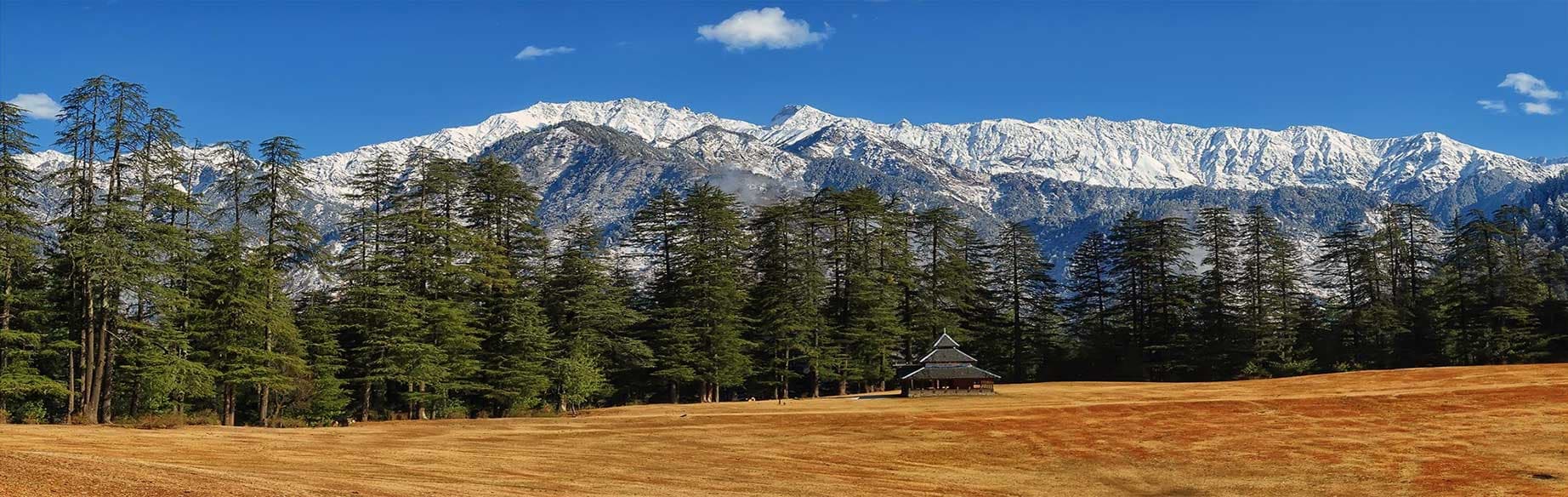
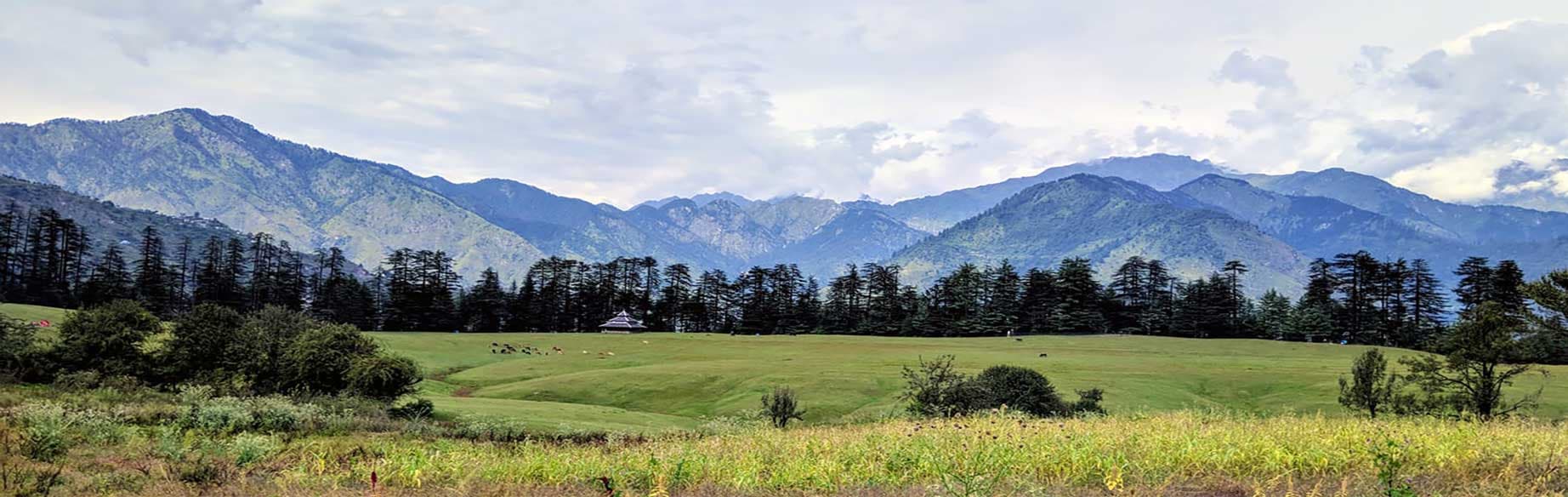
There’s something deeply calming about Shangarh Meadows—a wide, open stretch of green cradled by thick pine forests and Himalayan silence. To get here, take a turn off the main highway at Aut Tunnel, and follow the narrow road that winds through quaint villages and forested ridges.
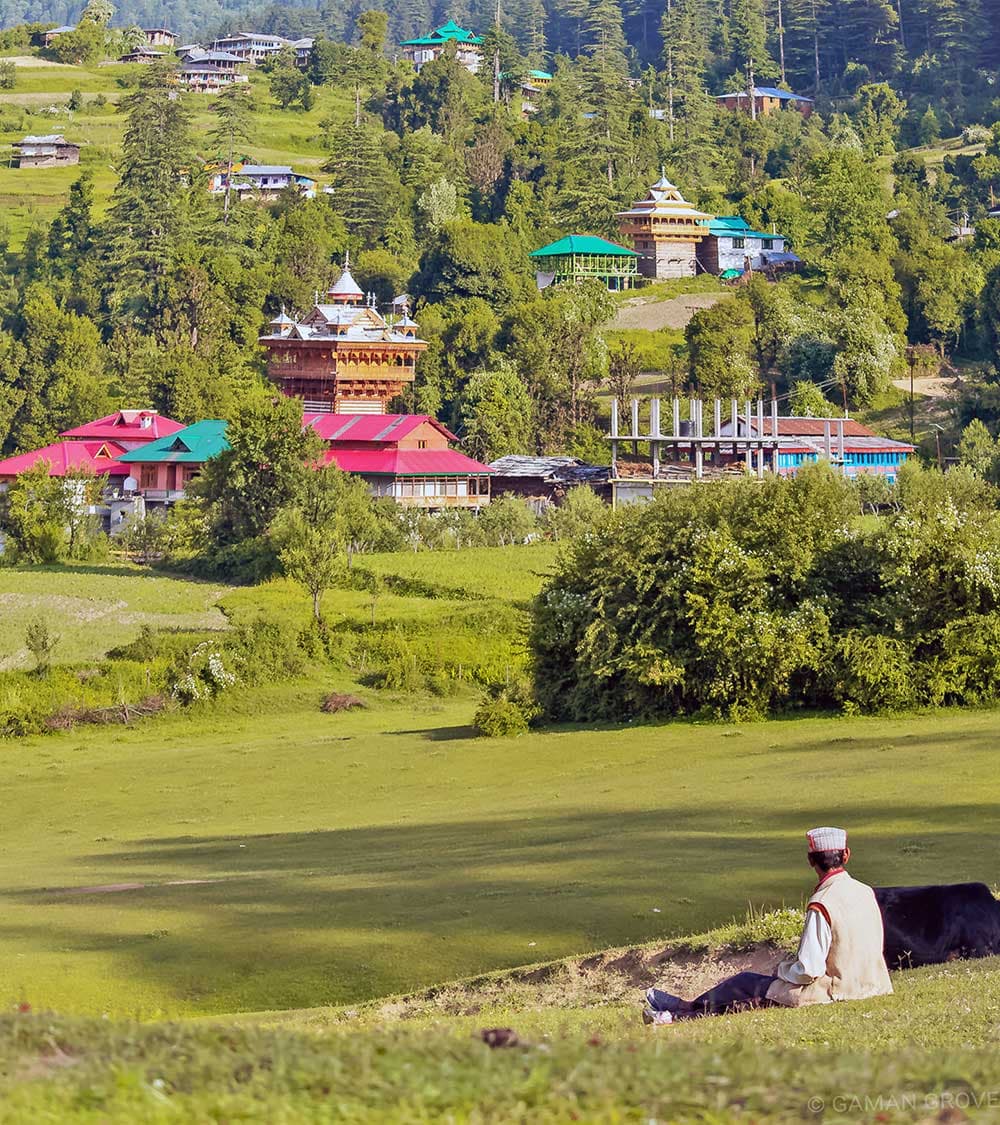
The drive itself feels like an invitation into another world. As you arrive in Shangarh, you’ll see traditional wooden Himachali homes, smoke curling up from chimneys, and a timeless stillness hanging in the air.
At one end of the meadow stands the ancient Shangchul Mahadev Temple, quietly watching over it all. With every step, you feel like you’re walking through a painting—where the grass whispers, the jungle breathes, and peace feels incredibly close.
Shensher & Raila Devta Temples
Tucked away in the folds of Sainj Valley, the Shensher and Raila Devta Temples are where faith feels both ancient and alive. From Sainj or Shangarh village, small forest trails and narrow village roads lead you uphill through terraced fields and whispering pine woods, gradually revealing these sacred spaces.
The temples, though modest in size, are built in beautiful traditional Himachali wood-and-stone architecture, resting quietly among deodar trees. Their silence is often broken only by the rustle of the wind or the soft rhythm of a prayer. These aren’t just places of worship—they're the spiritual heart of the surrounding villages, where every festival, prayer, and story begins.
Pundrik Rishi Lake
Hidden deep within the forest, Pundrik Rishi Lake feels less like a destination and more like a sacred pause in time. From Sainj or Shangarh village, a short drive followed by a gentle walk through shaded forest paths brings you to this quiet, hidden gem.
The trail winds through dense deodar trees and soft forest floors, gradually opening up to reveal a still, glass-like lake nestled in nature’s embrace. Locals believe Rishi Pundrik once meditated here—and when you arrive, it’s easy to see why. The air is soft, the energy unshaken. No crowds, no noise—just the sound of leaves, distant birds, and your own breath slowing down.
GHNP Treks
Trekking through the Great Himalayan National Park isn’t just a hike—it’s a quiet unfolding of the wild. Trails like the Shakti–Maror and Lapah Village treks begin from the quaint village of Gushaini, where a narrow trail winds along the Tirthan River before veering into the forested heights.
To reach Shakti Maror, follow the trail upstream past Ropa and beyond, climbing steadily through deodar and oak forests. The route to Lapah branches off near Pekhri, a small hamlet accessible by road, followed by a trek through dense woods and gentle meadows.
As you walk, you pass wooden bridges, secret clearings, and ancient trees that have stood still for centuries. Lapah feels like the edge of the world—a tiny village perched in silence, where life moves with the sun and everything slows down. These treks don’t just take you deeper into the mountains—they take you closer to yourself.
Sainj River
The Sainj River flows gently through the valley like a quiet prayer, threading its way between forests, fields, and forgotten paths. It’s not wild or loud—it’s calm, steady, and deeply alive. From the village of Sainj, a short walk down the winding forest trails leads you straight to its banks.
If you're coming from Shangarh, a scenic 20–30 minute hike through pine-covered paths will bring you to a serene stretch of the river.
Along its banks, villagers farm, children play, and travelers pause to listen to its soft murmur. Fed by glacial streams from the high Himalayas, the river carries the soul of the valley itself—pure, grounded, and always moving. Stand beside it for a while, and you’ll feel something shift inside you. Peace, perhaps.
Rishi Markandey Temple
Tucked into a quiet corner of the valley, the Rishi Markandey Temple feels like a place where time sits still. Surrounded by whispering trees and distant hills, the temple stands modestly—built not to impress, but to invite.
To reach this serene site, start from the Aut Tunnel on the Manali-Leh Highway. After exiting the tunnel, take the road towards Sainj Valley. Drive for about 15 kilometers until you reach the village of Deohari. From there, a short and scenic walk or drive will lead you directly to the temple.
It’s said that Rishi Markandey, the sage blessed with eternal youth, once meditated here, and even today, the air carries a strange stillness, as if his presence never left. Locals visit not out of ritual, but out of quiet respect—because some places don’t need to shout to feel sacred.
Things to do in Sainj Valley: Important Notes
Adventure Activities to Experience in Sainj Valley
1. Trekking & Hiking: Sainj Valley is a trekker’s delight, offering both beginner-friendly trails and challenging treks into the depths of GHNP.
Popular Treks are:
Shangarh Meadows to Pundrik Rishi Lake Trek
Shangarh to Lapah Village Trek
Sainj Valley to Tirthan Valley Cross Trek
Shakti–Parkuni–Dhel Trek (inside GHNP)
2. Camping: Shangarh Meadows is one of the most stunning spots for open-air camping. Forest clearings near Deohari, Neuli, and Ropa also serve as great campsites. Some homestays offer camping experiences with bonfires and local meals.
3. Birdwatching & Wildlife Photography: Being in the GHNP buffer zone, the valley is rich in biodiversity. A haven for wildlife and nature photographers, the area offers sightseeing of various species of birds and animals.
4. Mountain Biking (Off-Road Cycling): Scenic, narrow trails from Sainj Village to Shangarh are ideal for off-road biking. You can also bike from Aut Tunnel to Sainj Valley, passing charming villages and terraced farms.
5. Village Exploration & Cultural Walks: While not extreme, walking through Shangarh, Sainj Village, Deohari, and Upper Neahi feels adventurous for those looking to connect with authentic Himalayan life.
Sainj Valley Accommodation Guide – (Prices Vary According to Peak, Mid, and Off Season)
Hotel options in Sainj Valley, in Shangarh or Sainj village offer excellent space and amenities to ensure a comfortable stay for guests. Prices vary depending on the season, which is typically divided into three categories: Peak, Mid, and Off-season. You can choose from the suggestions below based on your budget and personal preferences.
Luxury Hotels & Resorts (₹5,000 – ₹10,000 Per Night)
Mid-Range Hotels (₹1,500 – ₹5,000 a night)
Homestays (₹1,200 – ₹2,000 per night)
Dormitory Hostels (₹500 – ₹700/night)
Food & Dining Options in Sainj Valley
Unlike commercial hill stations, Sainj Valley offers a raw and authentic dining experience that’s deeply connected to its local culture and natural surroundings.
Expect simple, hearty, and delicious Himachali meals cooked with warmth, often by your homestay hosts or in small village eateries. The food is seasonal, organic, and soul-satisfying.
What to Try: Siddu, Madra, Bhey, Red rice with ghee & dal, Local rajma and leafy greens, Seera (sweet dish)
Places to Eat in & around Sainj Valley: While there are no big-name restaurants, the valley has some cozy homestays, dhabas, and local cafés that serve authentic meals with a view:
In Sainj Village & Nearby:
The Sainj Café (near Neuli) – A small riverside café run by locals, offering tea, Maggi, and thali meals with organic ingredients.
Ropa Forest Rest House Kitchen – Meals available on prior request; offers traditional food for travelers and trekkers heading into GHNP.
Chachu Da Dhaba (Deohari village) – Known for rajma-rice, omelets, parathas, and mountain chai.
Local Homestays (Shangarh & Upper Neahi) – Most homestays offer freshly prepared home-cooked meals made with love and seasonal ingredients. Some hosts may also offer packed lunches for trekkers.
In Shangarh:
Meadow Side Café (Shangarh Meadows) – An informal open-air café offering tea, coffee, momos, and light snacks.
Tashi’s Food Corner – Popular among backpackers for local Himachali meals and evening bonfire tea sessions.
Photo gallery
Photo Gallery of Sainj Valley in Himachal Pradesh
Tips to Consider while visiting Sainj Valley:
- Make your train or flight booking in advance to avoid last-minute hassle.
- Advance booking allows you to grab attractive deals on Places to Visit India.
- Carry warm clothes, especially if visiting between October and February.
- Hire a local cab or self-drive to explore nearby attractions comfortably.
- Avoid night driving in hilly areas, especially during monsoons.
- Pack food and carry water bottle if going on a trail or trek.
- Carry a camera or smartphone with good storage for nature shots.
- Keep some cash handy as some local shops may not accept cards.
- Shop local handicrafts and herbs for your loved ones at home.
- Wear comfortable shoes for trekking and sightseeing.
- Stay hydrated and avoid littering.
Explore more
More Beautiful Valleys in India
Trending
Top Trending Places in India
FAQ
Frequently asked questions
Need assistance?
Let our travel experts plan it for you.
Whether you're heading to the high Himalayas or scenic coastal escapes, our team builds seamlessly crafted journeys tailored around you.
We take care of the entire hassle—handpicked hotel stays, dependable taxi services, detailed daily itineraries, complete tour packages, and local insider secrets.
Drop your details below, and a travel specialist will get in touch with you shortly.
Office
3/33, Prabhati Marg, Chitrakoot, Jaipur 302021, India
Quick inquiry