

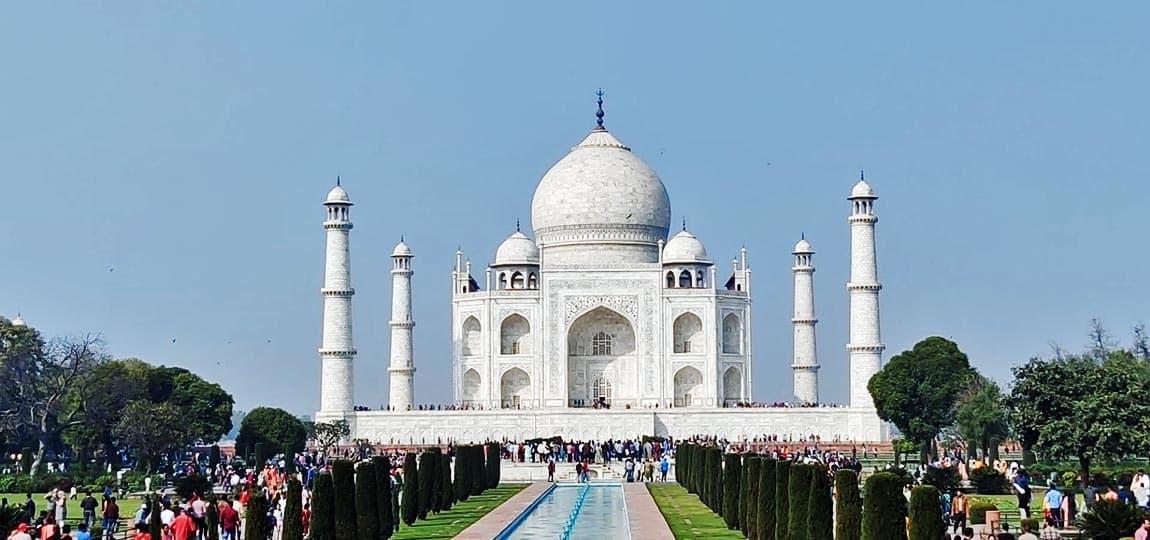
Taj Mahal
Agra: City that Blessed with One of the Seven Wonders in the World
Delhi, Agra, and Jaipur are collectively known as the Golden Triangle in North India's tourism industry. These three cities, with their rich Mughal heritage, attract tourists and historians from around the world.
After Babur and Humayun, Akbar, the third Mughal emperor, established Agra as his capital in 1556. Shah Jahan, Akbar's grandson, is credited with the creation of the Taj Mahal. Completed around 1650, the Taj Mahal remains a centrepiece of Agra's tourism industry even after 375 years. This massive white marble structure continues to captivate visitors with its timeless beauty.
As a major tourist hub in Uttar Pradesh, Agra has evolved into a vibrant centre of tourism. Visitors are generally pleased with the maintenance of monuments and the cleanliness of the city. Although the Taj Mahal's whiteness can…
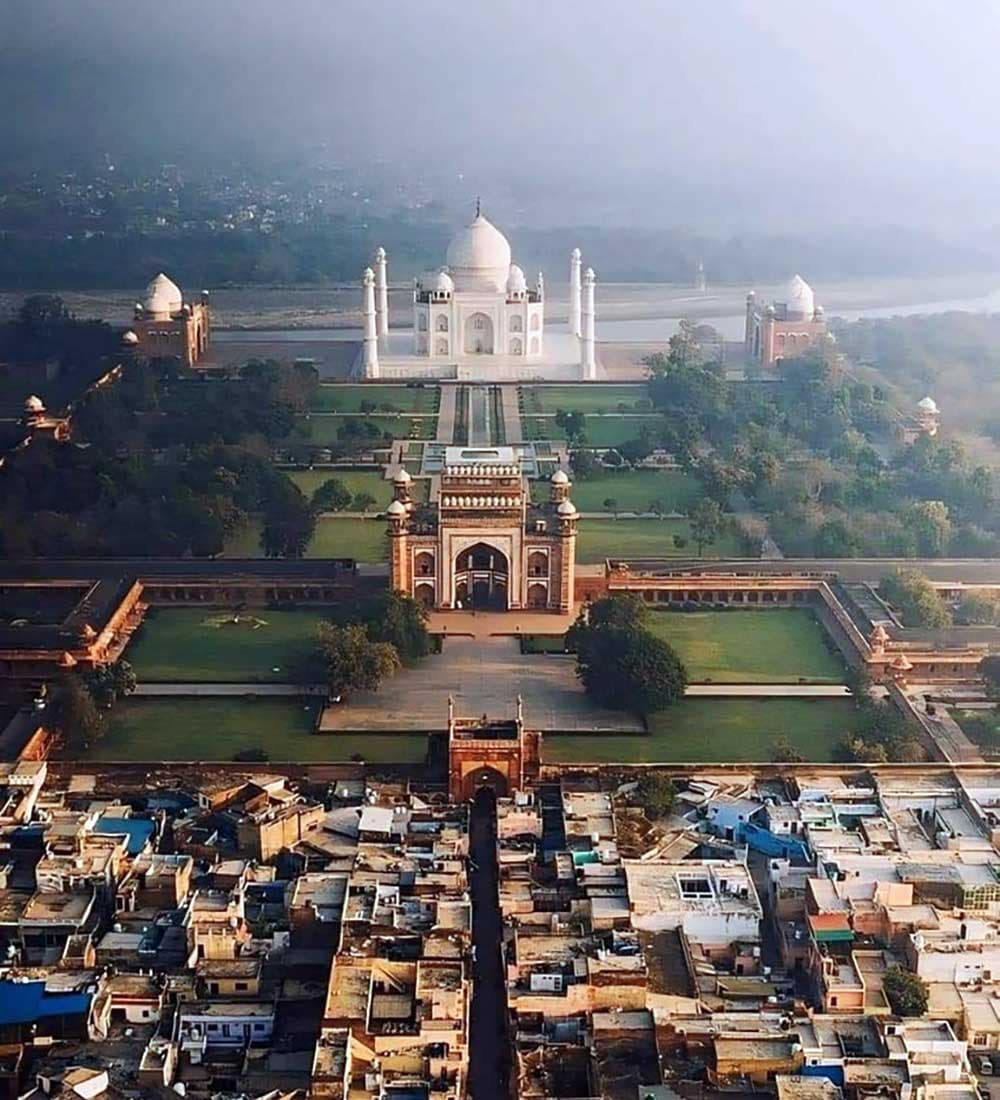
The Taj Mahal isn't the only attraction in Agra. The city boasts various other architectural marvels that offer tranquil spaces for reflection and admiration. Situated along the banks of the Yamuna River, Agra presents two distinct experiences based on its geography.
On one side, you'll find modern Agra, characterised by newly developed urban areas with impressive infrastructure. On the other side lies the historical charm of old Agra, with its heritage buildings, narrow streets, bustling markets, and vibrant street life, offering a stark contrast to the newer parts of the city.
Although Agra is centuries old, it is not an ancient city. The magnificent Mughal-era structures provide a glimpse into the lifestyle and governance of that period. Unfortunately, the Yamuna River suffers from urban encroachment, impacting its overall ambiance.
Overall, Agra is an ideal…
The Most Convenient Way to Reach Agra, Uttar Pradesh:
As part of the famous Golden Triangle, Agra boasts excellent connectivity. No matter where you are in the country, you can easily reach Agra by air, rail, or road. This Taj Mahal travel guide will let you know everything about Taj Mahal including how to plan a trip to Agra.
How to Reach Taj Mahal
By Air: Agra has a domestic airport with direct and connecting flights available. Alternatively, you can fly into Delhi International Airport and take a taxi to Agra, which takes approximately four hours.
By Rail: Agra Fort and Agra Cantt are the two major railway stations in the city. You can find direct trains to either station. Alternatively, you can plan a break journey through Delhi, Mathura, or Jaipur.
By Road: Agra has excellent road connectivity. You can drive your own vehicle or take a bus from your nearest bus stop to Agra.
Getting Around: Taxis, rickshaws, and auto-rickshaws are readily available for navigating Agra. The Taj Mahal ticket price is Rs. 50 for Indian tourists whereas Rs 1100 for foriegn tourists.
Best time to visit Taj Mahal: Experts at Places to Visit India recommend winter season in India for Taj Mahal and other prominent locations in Northern parts of India.
Quick facts
Must Know Things If You're Planning a trip to Taj Mahal, Agra:

Type

Days Required
Best time

Distance from Delhi

Nearest Airport

Nearest Railway Station

PTVI Rating

Estimated Budget for Couple

Main Attractions

Places to Visit in Agra near Taj Mahal: Agra tourist attractions
Taj Mahal: This is the magnificent Mugal structure that makes this city a tourist attraction. All credit goes to Mughal Emperor Shah Jahan, who booked the space on the banks of the Yamuna and ordered the construction to start in 1632.
As per the available history of Taj Mahal, the entire construction of the tomb took 22 years, employing over 20,000 artisans and craftsmen. Shah Jahan devoted the marvellous structure to his beloved wife, Mumtaz Mahal.
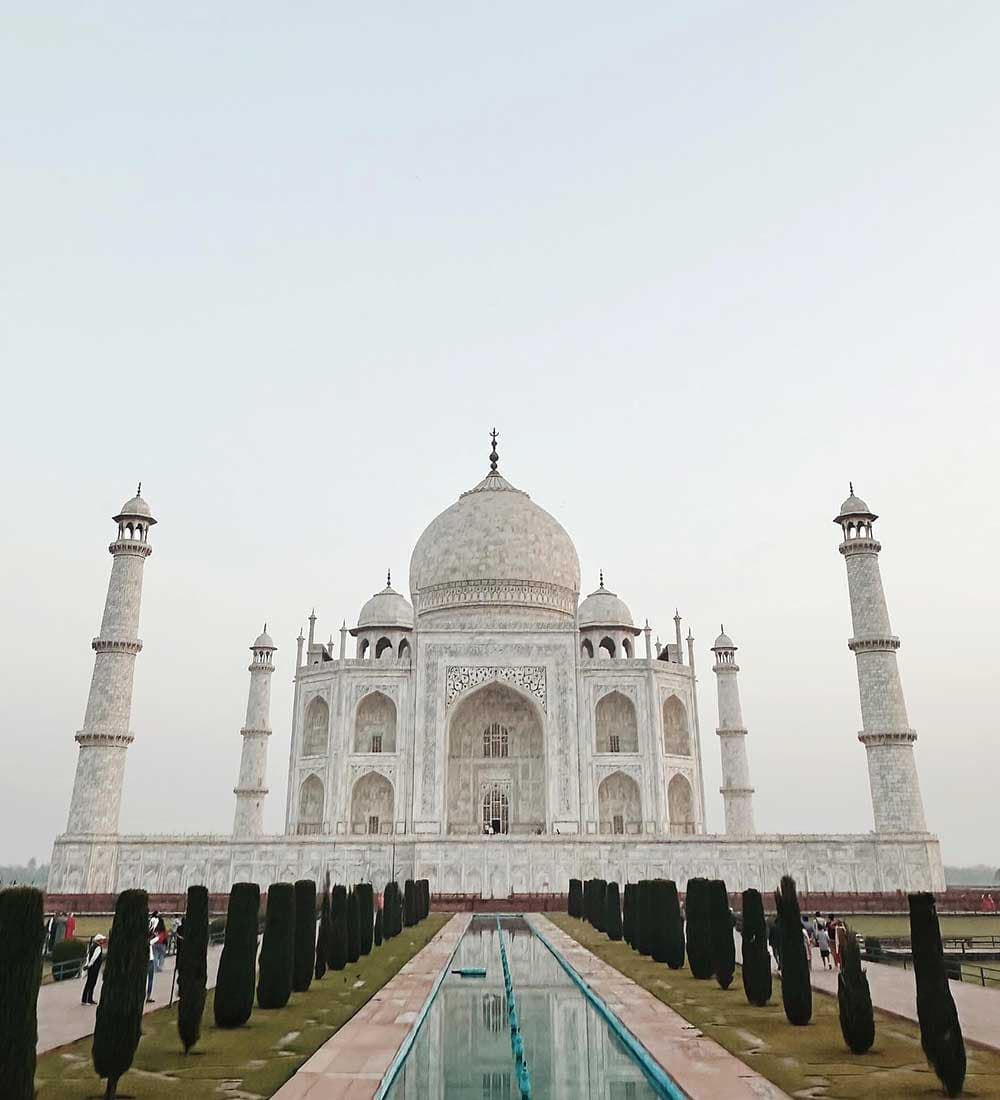
The Taj Mahal is a UNESCO World Heritage Site India and is widely recognized as "the jewel of Mughal architecture Taj Mahal in India and one of the universally admired masterpieces of the world's heritage." Its perfect symmetry, intricate carvings, and stunning white marble facade make it a breathtaking spectacle.
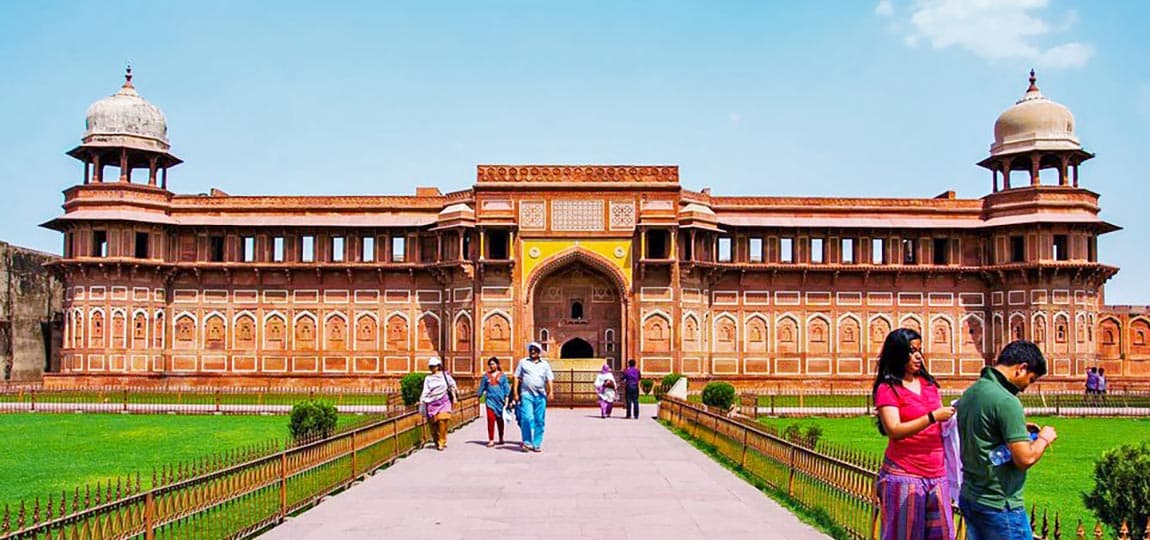
Agra Fort: Agra's Red Fort, famously known as the Red Fort of Agra, is a magnificent historical monument that stands as a testament to the power and grandeur of the Mughal Empire.
Situated on the banks of the Yamuna River, it is a UNESCO World Heritage Site and a major tourist attraction, often regarded as the primary building after the iconic Taj Mahal.
Originally, this fort was constructed by the Rajput ruler Sikandar Lodi and was known as Badalgarh. In 1556, Mughal Emperor Akbar captured Agra and decided to make it his capital. He ordered the reconstruction of the fort using red sandstone, giving it its distinctive name.
Itmad-ud-Daulah's Tomb: Often referred to as the "Baby Taj," Itmad-ud-Daulah's Tomb is a captivating Mughal mausoleum and was the first Mughal tomb constructed on the banks of the Yamuna River, a location later chosen for the Taj Mahal.
The tomb was commissioned by Nur Jahan, the powerful Mughal empress and wife of Jahangir, in memory of her father Mirza Ghiyas Beg. Construction began in 1622 and was completed in 1628. You can reach Itmad-ud-Daulah's Tomb by hiring an auto-rickshaw.
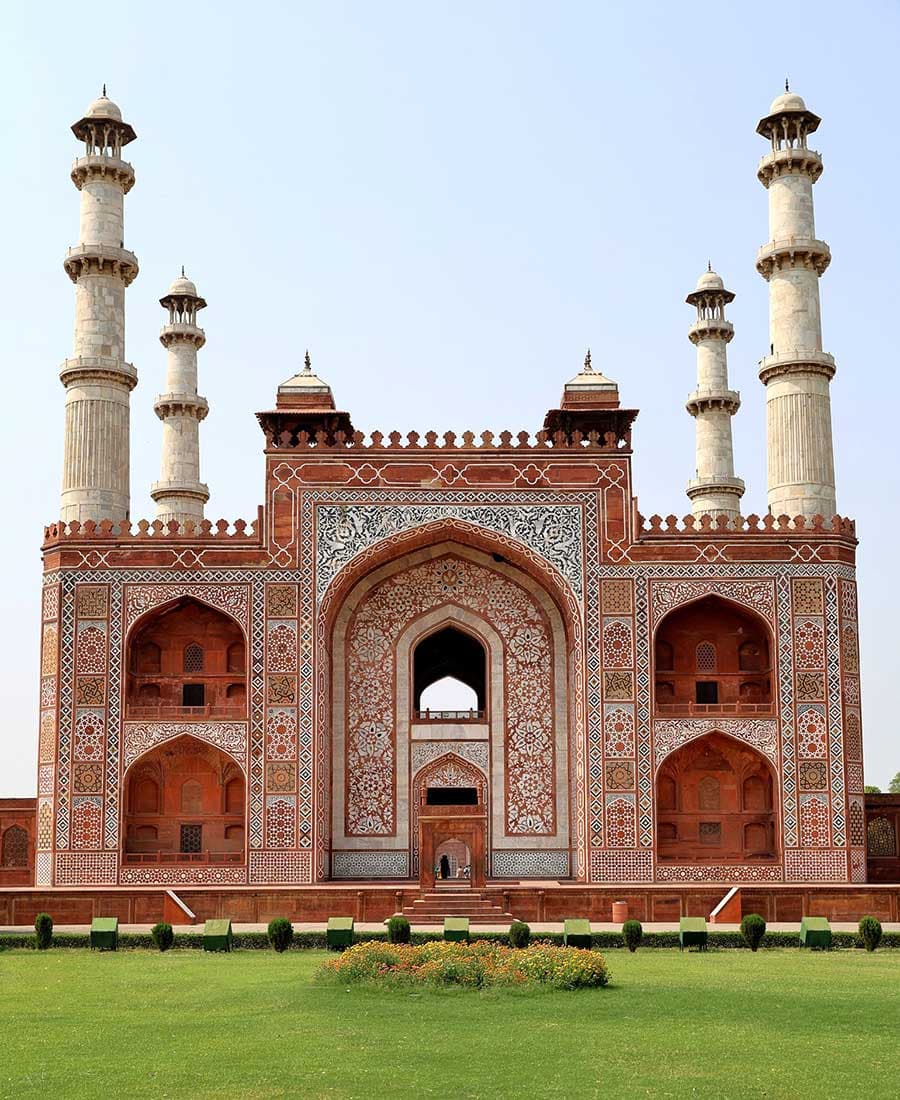
Tomb of Akbar: Nestled amidst the lush greenery of Sikandara, the tomb of Akbar is the resting place of the Mughal emperor who laid the foundation for the empire's golden age. This magnificent mausoleum offers a unique blend of architectural styles and historical significance.
The Buland Darwaza, a monumental red sandstone gateway, leading to the main tomb complex. The gate features intricate carvings and offers panoramic views of the complex.
Fatehpur Sikri: This is a deserted city built by Emperor Akbar in 1569 and briefly served as the Mughal capital from 1571 to 1585. Located approximately 35 kilometres west of Agra, this astonishing place is renowned for its grand palaces, mosques, and tombs.
Popular tourist attractions include the Buland Darwaza, Jama Masjid, Tomb of Salim Chishti, Diwan-E-Aam, and Panch Mahal. The Sikarwar Rajputs controlled the area from around the 7th to the 16th century CE. The city's name likely reflects this earlier Rajput influence.
Bateshwar: Situated about 80 kilometres away from Agra, closer to the town of Bah, Bateshwar is renowned for its captivating temple complex dedicated to Lord Shiva. Nicknamed "Shiv Nagri", it boasts over 100 Hindu temples, most dating back to the 8th to 10th centuries CE.
If you're interested in venturing beyond the usual tourist spots in Agra, this will help you to go deeper into the history of Agra, connecting to the Sanatana era under Rajput emperors.
Mankameshwar Temple: Considered one of the oldest temples in Agra, the Mankameshwar Temple is believed to date back to the Dvapara Yuga (a Hindu cosmological age). Legends claim Lord Shiva himself established the Shiva Linga (representation of Lord Shiva) enshrined within the temple.
The temple's name itself translates to "Lord of Wishes," and devotees believe that praying here can help fulfil their desires. The Mankameshwar Temple is situated in the Rawatpara area, near the Agra Fort Railway Station.
Gurudwara Guru Ka Taal: Gurudwara Guru Ka Taal is a significant historical and pilgrimage site for Sikhs, situated near Sikandra. Gurudwara Guru Ka Taal is constructed on the very spot where the ninth Sikh Guru, Guru Tegh Bahadur Ji, offered himself up for arrest by the Mughal emperor Aurangzeb in 1675.
Gurudwara Guru Ka Taal offers a peaceful and serene atmosphere for prayer and reflection. The complex is well-maintained and welcomes visitors of all faiths.
Things to do during in Agra and around Taj Mahal:
Delve Deep into the Golden Age of the Mughal Empire
Agra was the center of the Mughal Empire. From Babur to Aurangzeb, several rulers reigned here, fostering the growth of Islam. The buildings in Agra still narrate the tales of the Mughal Empire's golden era.
Near the Taj Mahal, constructed from white marble, you can spend quality time with your loved ones. Exploring the Taj Mahal and other sites will help you and your children gain a deep understanding of the Mughal period in India.
Witness the World-Famous Symbol of Love
Shah Jahan built the Taj Mahal and dedicated it to Mumtaz Mahal. In memory of his beloved, Shah Jahan commissioned the construction of this magnificent monument. During that time, the Yamuna River would have flowed as a pristine stream, making the scenery even more beautiful than it is today. Nonetheless, the Taj Mahal's brilliance still amazes visitors.
Assess the Conditions of the Yamuna
The plight of the major North Indian rivers, the Ganges and the Yamuna, is well-known. The Yamuna flows through Delhi to Agra, where you can witness the deteriorated state of what was once a vibrant river. You can raise your voice on social media to support its revival or attempt to make changes in your lifestyle to contribute to the cause.
Taste the Delicious Agra Cuisine
Agra is renowned for its delectable vegetarian and non-vegetarian dishes. In vegetarian cuisine, you will find a variety of chaat items that are mouth-watering at first glance and will whet your appetite. The bedmi puri and potato curry here are particularly delicious and flavorful, and you must try them.
Photo gallery
Photo Gallery of trip to Agra, Uttar Pradesh:
Tips to consider when planning a trip to Agra, Uttar Pradesh:
- The scorching heat of summer may ruin your entire Agra trip; try planning in the post-monsoon or early winter.
- If you don't find a train direct to Agra Fort or Agra Cantt, plan a break journey via Delhi or Jaipur.
- It is recommended to hire a tour guide when you're visiting historical cities like Agra and Jaipur.
- The entry to Taj Mahal starts early in the morning with the sunrise; it is advised to start your day as early as possible.
- Agra may surprise you with chilled breezes in winter; wear warm clothes for a comfortable visit.
- Book your stay in advance, as hotels in Agra may ask you for unreasonable prices when booking on the spot.
- Taj Mahal is closed on Friday; plan your itinerary accordingly.
- Take breaks, absorb vibes, and avoid littering.
Explore more
Explore more Heritage Cities in India:
Trending
Top Trending Destinations in India
FAQ
Frequently asked questions
Need assistance?
Let our travel experts plan it for you.
Whether you're heading to the high Himalayas or scenic coastal escapes, our team builds seamlessly crafted journeys tailored around you.
We take care of the entire hassle—handpicked hotel stays, dependable taxi services, detailed daily itineraries, complete tour packages, and local insider secrets.
Drop your details below, and a travel specialist will get in touch with you shortly.
Office
3/33, Prabhati Marg, Chitrakoot, Jaipur 302021, India
Quick inquiry